Research

NISV Visits TUS to Share Insights on Building Innovation Portfolios Around Transdisciplinarity

Article:

The last week in June brought a spectacular few days of sunshine in the midlands ☀️ and alongside it some wonderful guests to the Technological University of the Shannon, Athlone Campus.

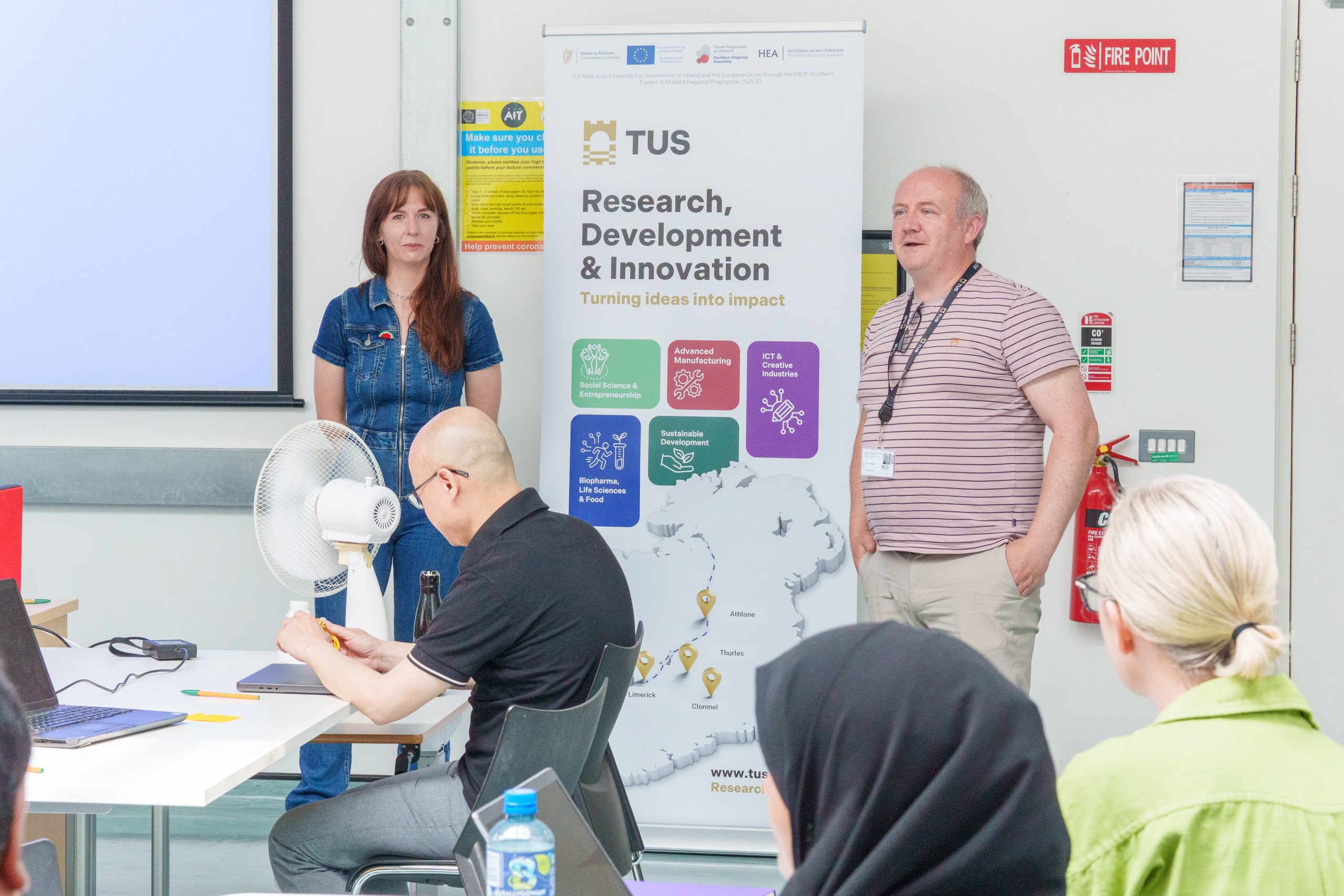
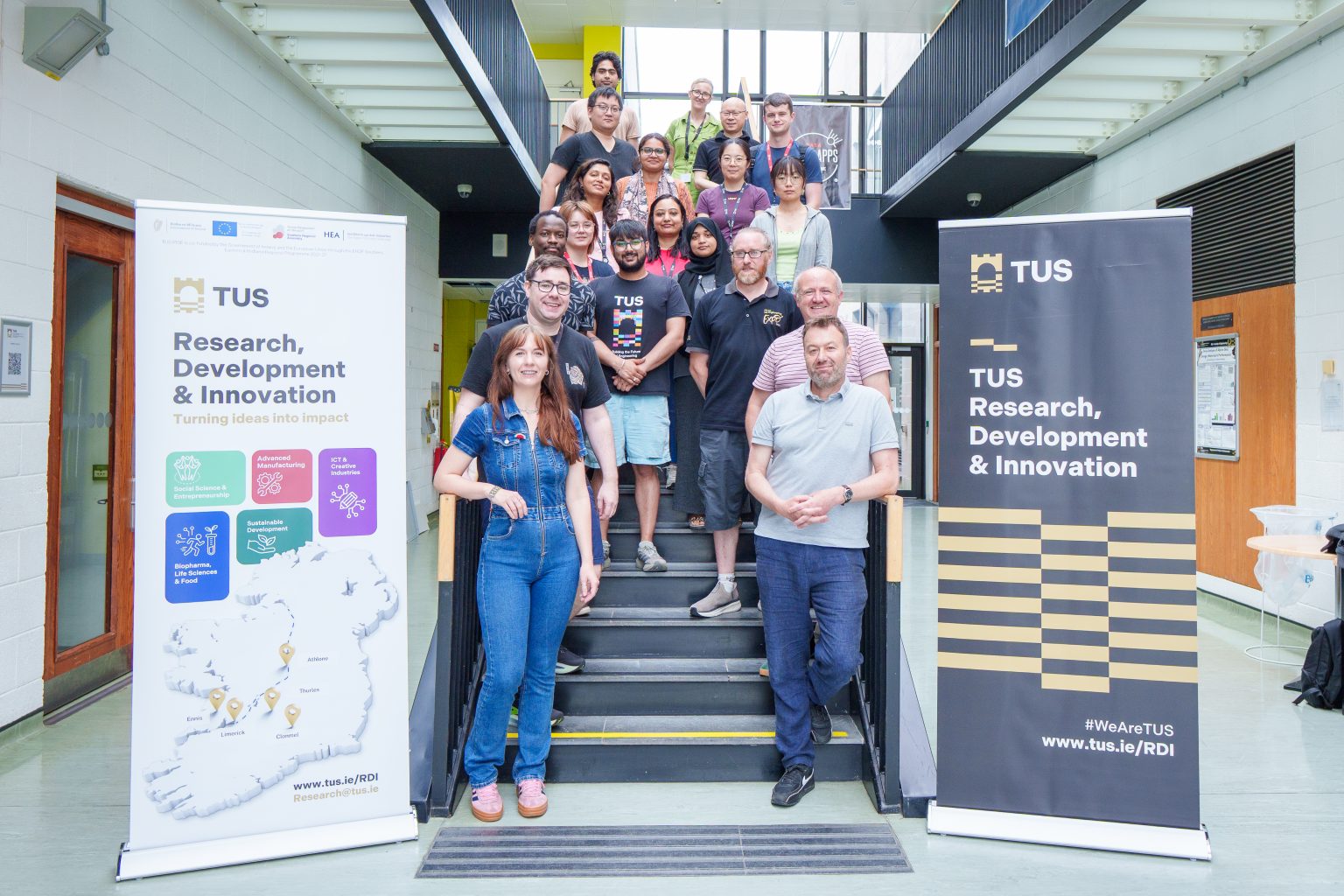
Organised by Dr. Niall Murray and supported by TUS RISE, Rasa Bočytė (Senior Advisor for Research Collaborations) & Johan Oomen (Research Director) from the Netherlands Institute for Sound & Vision (NISV) joined us for two days to talk research, future works, and and present a wonderful talk on transdisciplinarity work!

On the day of arrival, out guests were welcomed on campus for a preview of some of the fantastic facilities of offer at TUS Athlone. Complimenting this, our PhD students in the faculty of Engineering and Technology provided short demonstrations and talks on their on-going work. Both Rasa and Johan offered their expertise and feedback as part of the process which was very much appreciated! 
Innovation & Transdisciplinarity?

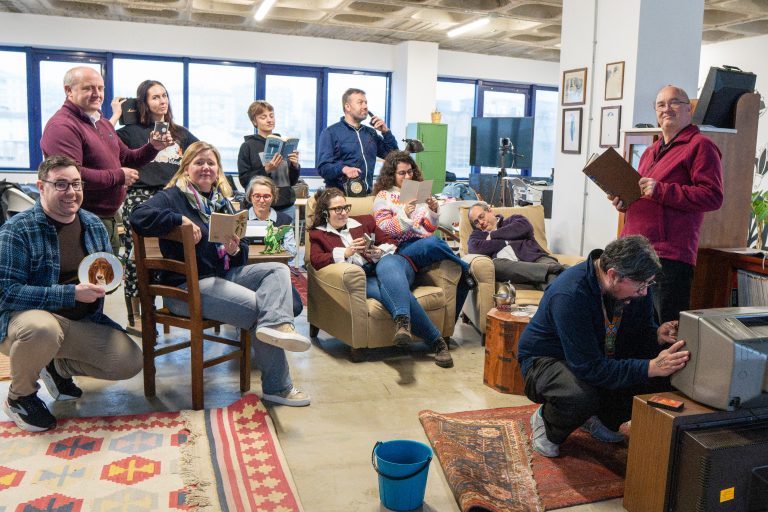
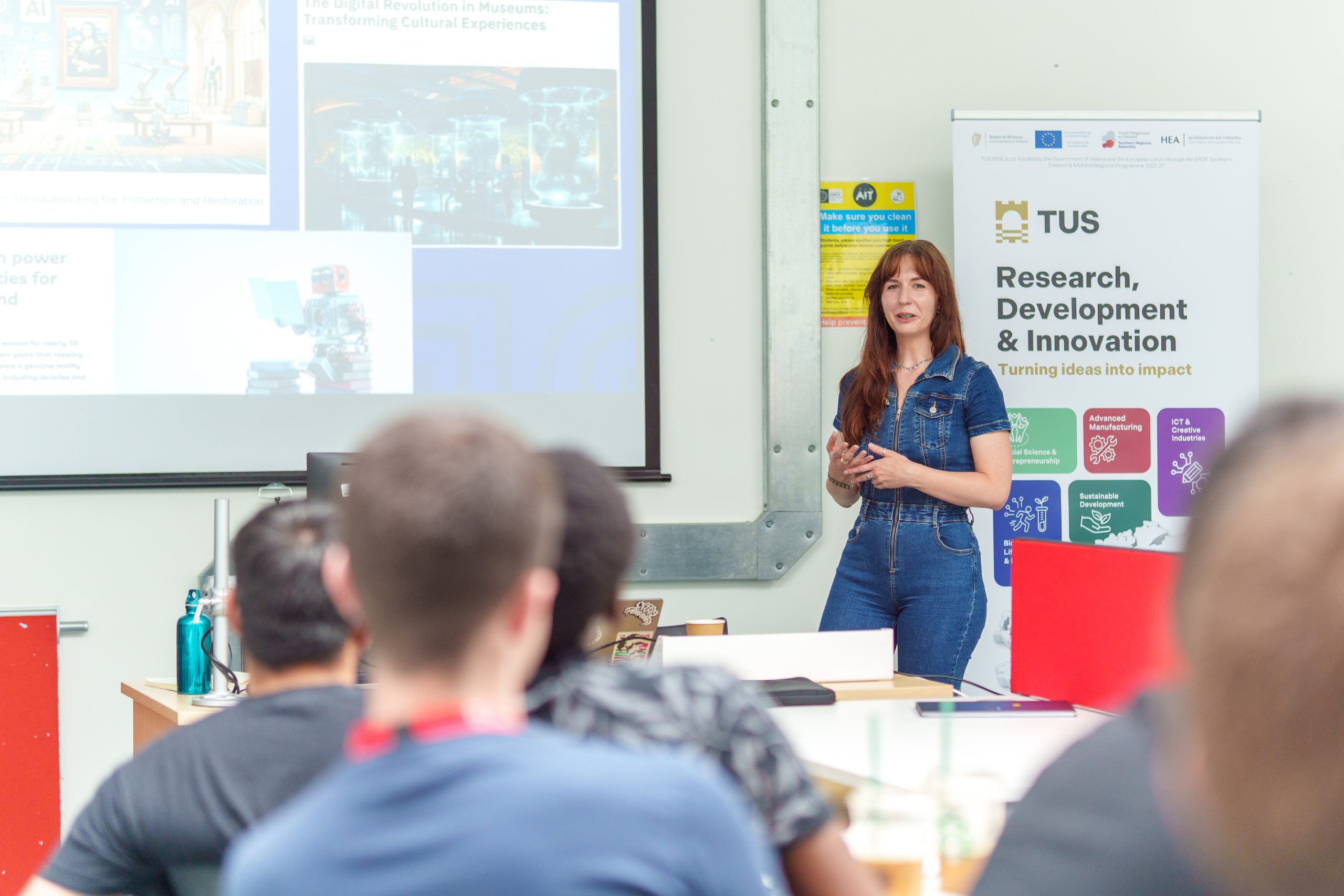
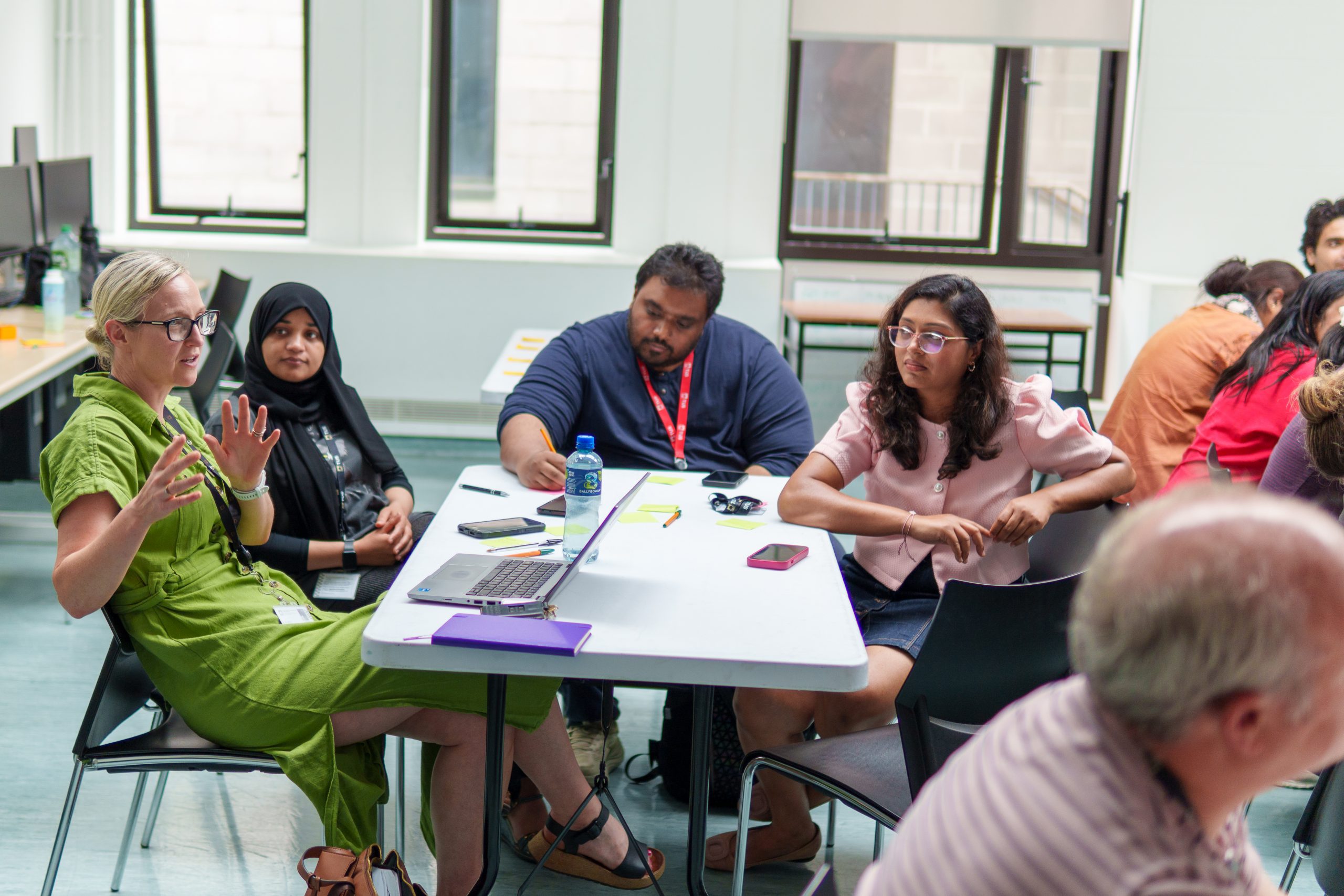
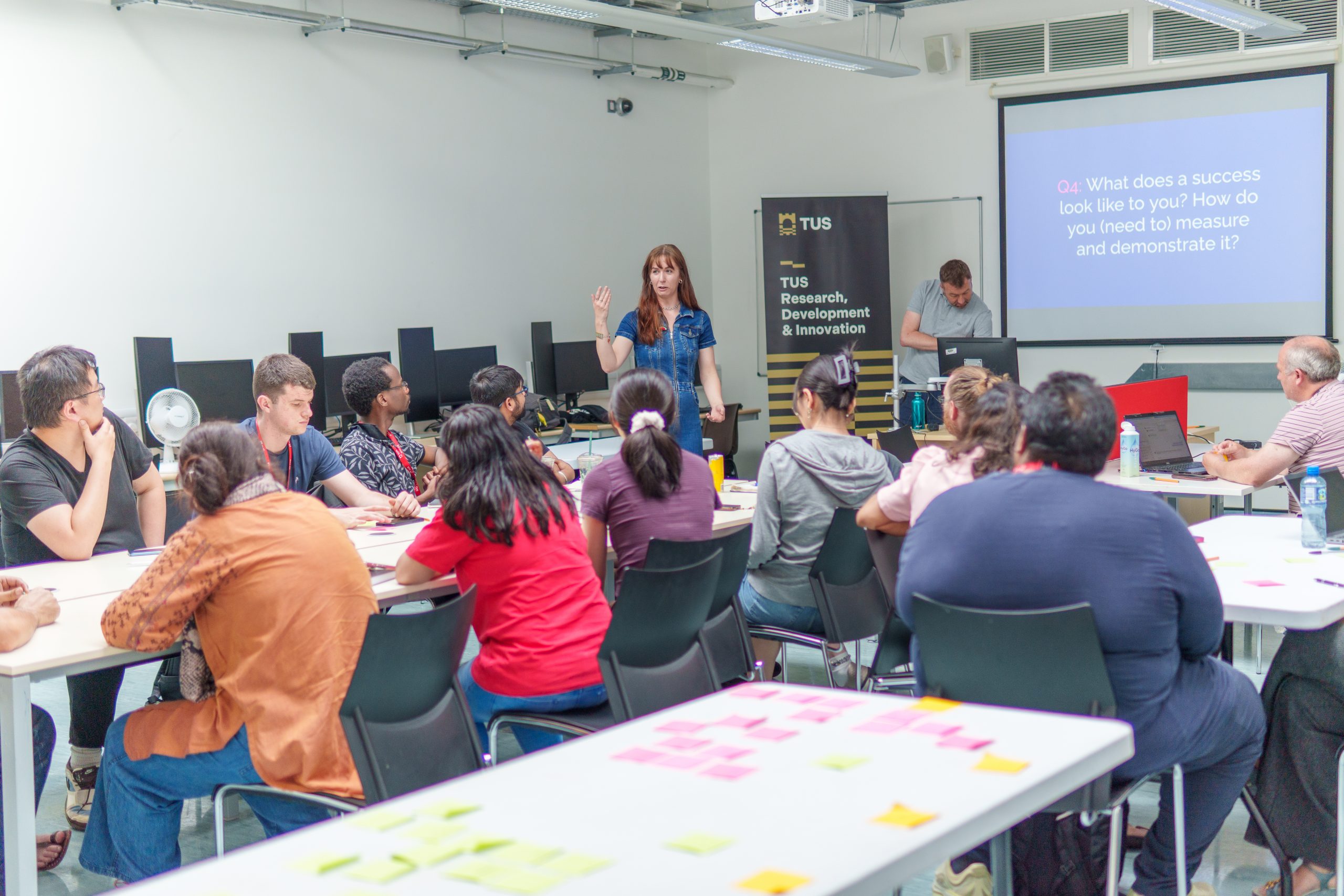
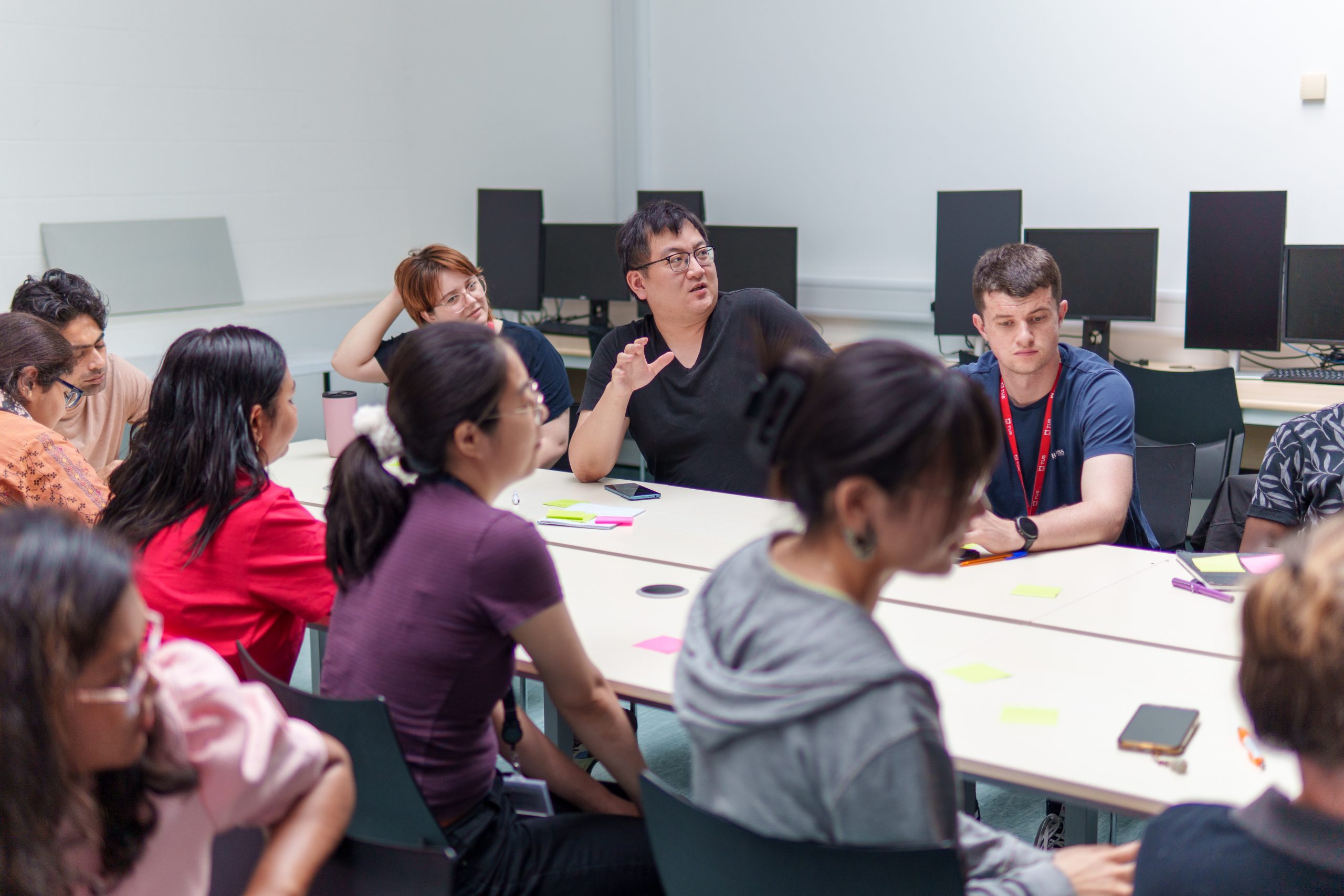
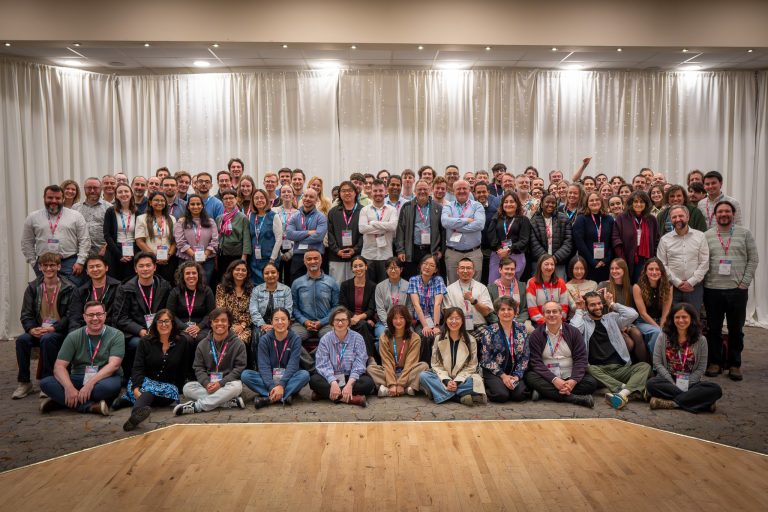
With a wonderful turnout for the event, Rasa Bocyete opened their talk on “Building innovation portfolios around transdisciplinarity”. In my past experience working with Sound and Vision, they always know how to get an audience engaged! This presentation was no different as it opened with an ice breaker asking the audience to partake in a small exercise to understand how or where the cultural heritage sector fits within their existing works, and weather it is open ended! 

The presentation shined a light on some innovative work from the NISV, demonstrating how technology can be used in creative ways to search historic archives, present media, and engage an audience. Bringing the NISV archives to life, Artifacts of Memory (AoM) demonstrated how digital heritage archives could be searched using visual metadata. These novel approaches inspire connection, and provide unique experiences to individuals as they gain a window into the past using modern technologies. 

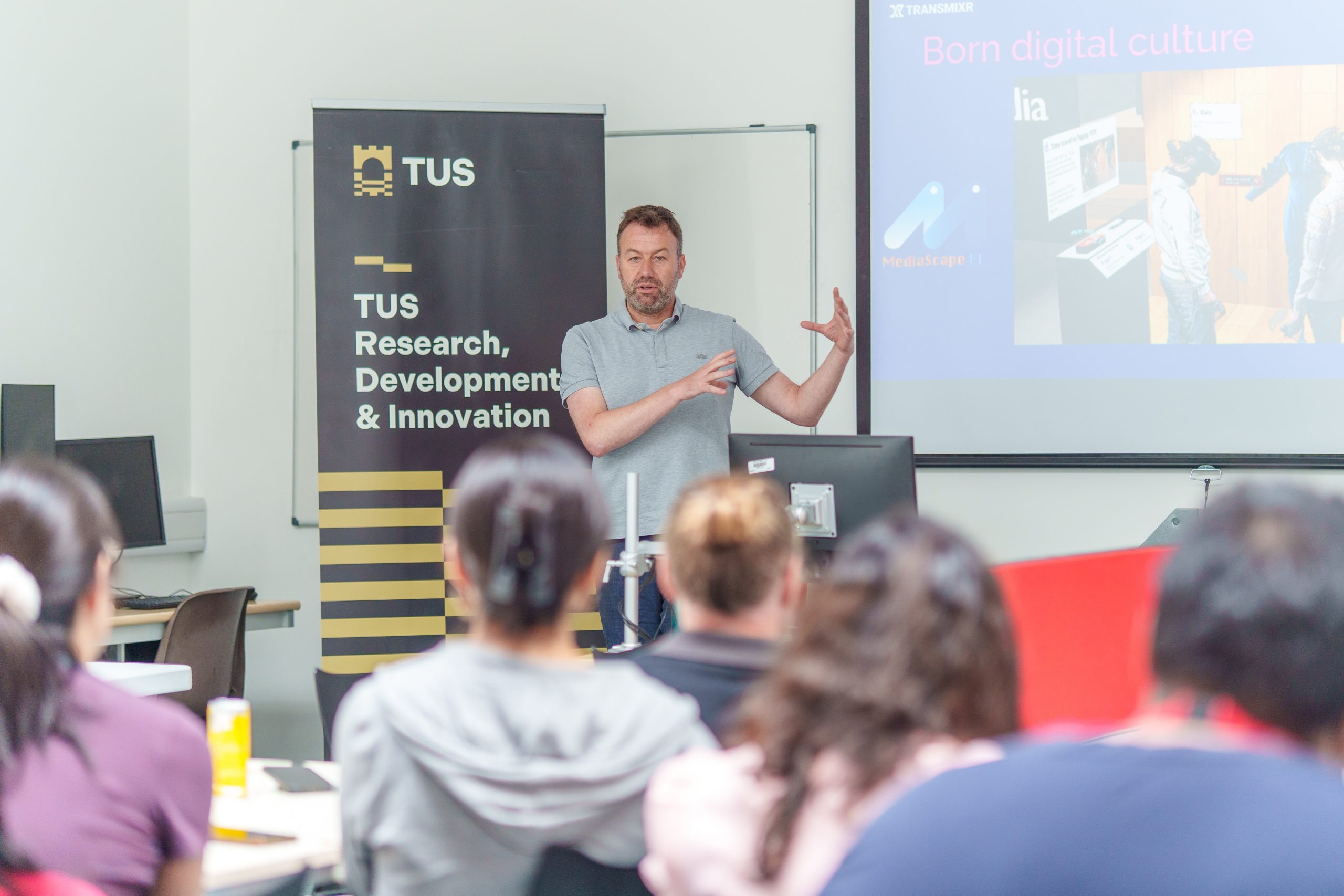
The last few years working on multiple research projects has demonstrated that some of the most complex challenges cannot be solved by a single discipline alone. Transdisciplinarity embraces this by bringing together expertise from different disciplines alongside stakeholders beyond academia (this can include industry, policymakers, cultural organisations, communities, and most important – the end users) to develop new knowledge and innovative solutions. Johan went on to explain the importance of embracing this when it comes to the development of innovative projects and building a novel portfolio within research!

Gallery

Related Articles: